Key Takeaways
CPAP intolerance means ongoing difficulty using prescribed therapy effectively or consistently.
Documenting problems can help your care team evaluate alternatives and insurance requirements.
Custom oral appliances may be an option for some people with obstructive sleep apnea.
CPAP can help effectively treat obstructive sleep apnea, but equipment can make treatment difficult. If you've struggled to use your machine, you don't have to give up on better sleep.
What Does CPAP Intolerance Mean?
CPAP intolerance occurs when discomfort or other barriers prevent someone from using therapy as prescribed, despite attempts to address those issues. A clinician can review your experience, usage information, and symptoms to determine the next steps.
Why Do People Struggle With CPAP?
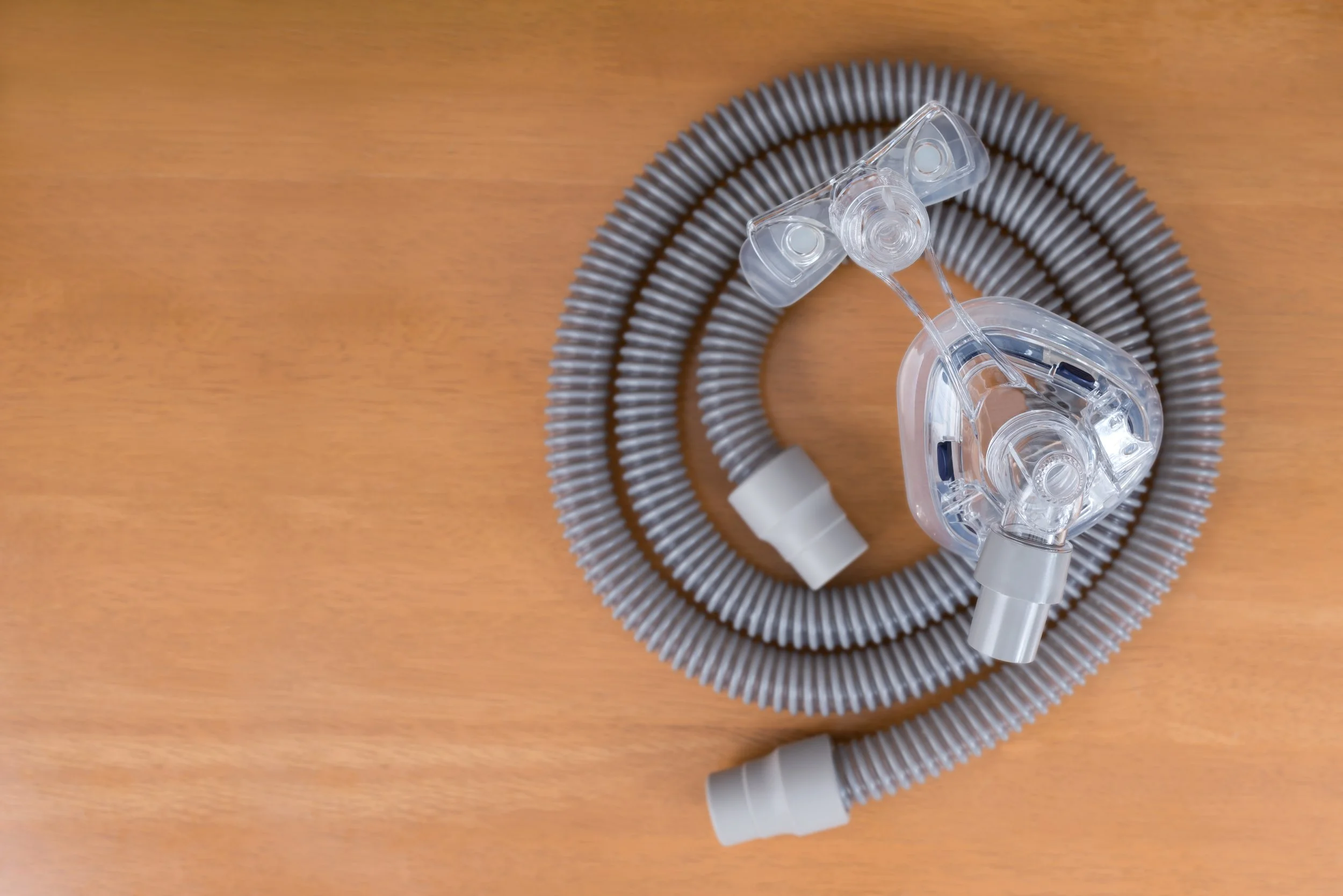
Common problems include mask leaks, skin irritation, dry mouth, pressure discomfort, and claustrophobia. Cleaning requirements and travel can also make consistent use challenging. Mask adjustments, humidification, or pressure changes may help.
How Is CPAP Intolerance Documented?
Your medical team may record symptoms, machine usage reports, and adjustments you've tried. This documentation can support a discussion about other treatments. Insurance requirements differ, and documentation does not guarantee coverage.
Could Oral Appliance Therapy Help?
For qualifying patients with obstructive sleep apnea, a custom oral appliance gently advances the lower jaw while you sleep, to help keep the airway open. These devices are compact and do not require a mask or hose. Learn about our oral device therapy and CPAP alternatives.
Find Your Next Step With Levätä SleepLevätä Sleep
Having trouble with CPAP is frustrating, but effective treatment options remain. At Levätä Sleep, we help patients across Michigan's Upper Peninsula explore personalized oral appliance therapy. Contact us to schedule a consultation and discuss whether this approach may fit your needs.
Image credit: Sbw18 | Shutterstock