How Sleep Apnea Treatment Is Chosen: Severity, Anatomy, Lifestyle, and What Works for Who
• Sleep apnea treatment options can vary based on severity and individual health needs.
• Airway anatomy, comfort, travel, and daily routines can influence treatment decisions.
• The best treatment for sleep apnea is one that is appropriate for your condition and can be used consistently.
Choosing how to treat sleep apnea is not always as simple as selecting one standard therapy. Your care team may consider several factors when discussing treatment, including the severity of your condition, your airway anatomy, your health needs, and how well a treatment fits into your daily life.
Severity and Health Needs Help Guide Treatment
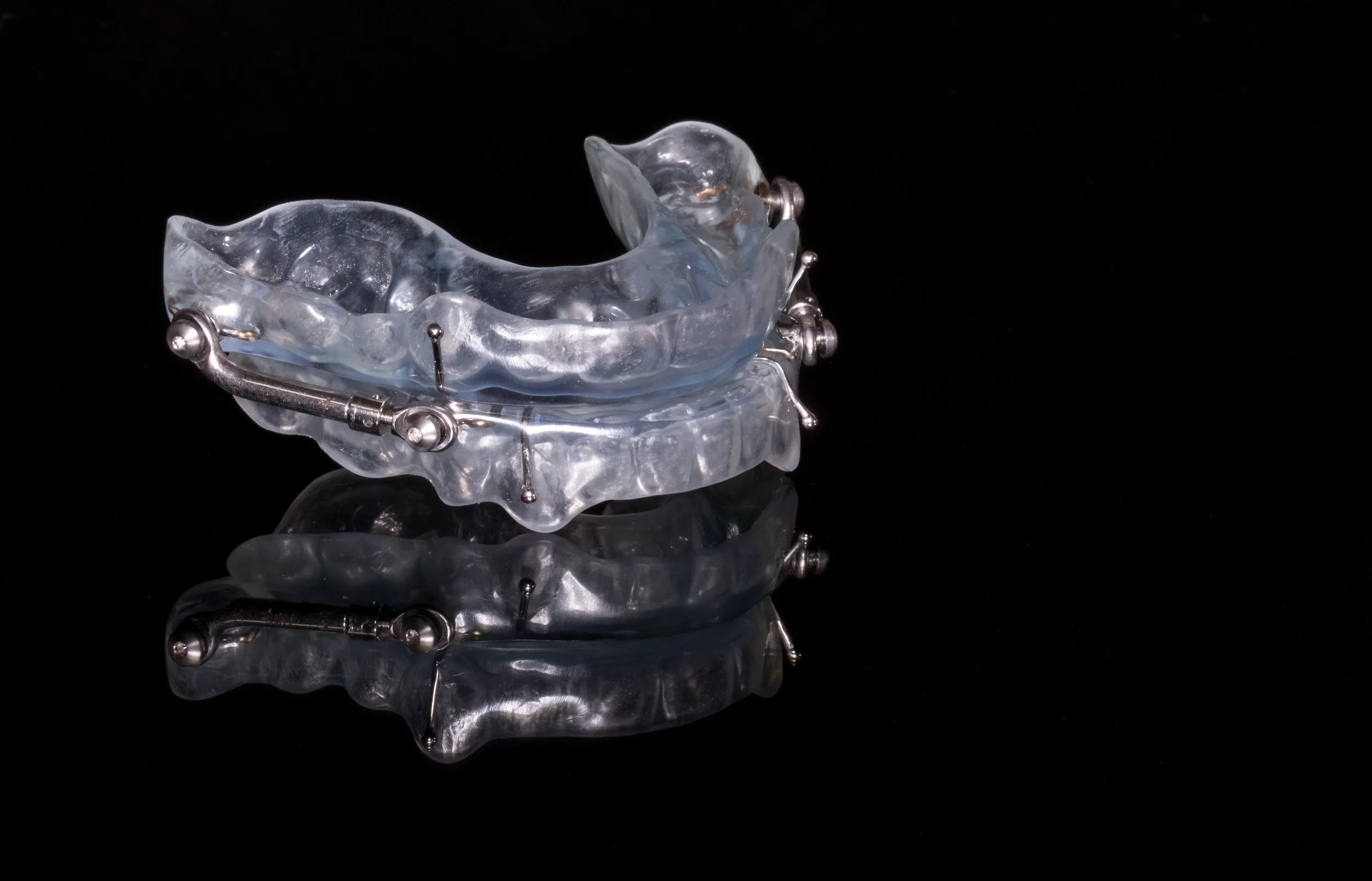
Sleep apnea treatment options may include positive airway pressure therapy such as oral appliances, CPAP, lifestyle changes, and other therapies. For patients who travel, are without power, who sleep on their stomach or side or toss and turn while sleeping, an oral appliance might be the best treatment. The severity of sleep apnea and a patient’s overall health can help determine which options to consider.
Anatomy and Lifestyle Matter Too
Treatment also needs to work for the person using it. Comfort, travel, bedtime routines, airway structure, and the ability to use a therapy consistently can all influence the decision.
For some patients, CPAP may be appropriate. Others may want sleep apnea treatment without CPAP, particularly if they have difficulty using a mask or machine.
Where Oral Appliance Therapy May Fit
Custom oral appliance therapy may be an option for certain patients with obstructive sleep apnea, including some people who cannot tolerate CPAP. These devices are fitted to the individual and designed to help keep the airway open while sleeping.
Our team at Levätä Sleep can help you explore whether oral appliance therapy may fit your needs. Schedule a free consultation to discuss your options and take the next step toward better sleep.
Image credit: // Shutterstock // Siew Peng Neoh