Signs Your Sleep Apnea Diagnosis Might Be Incorrect
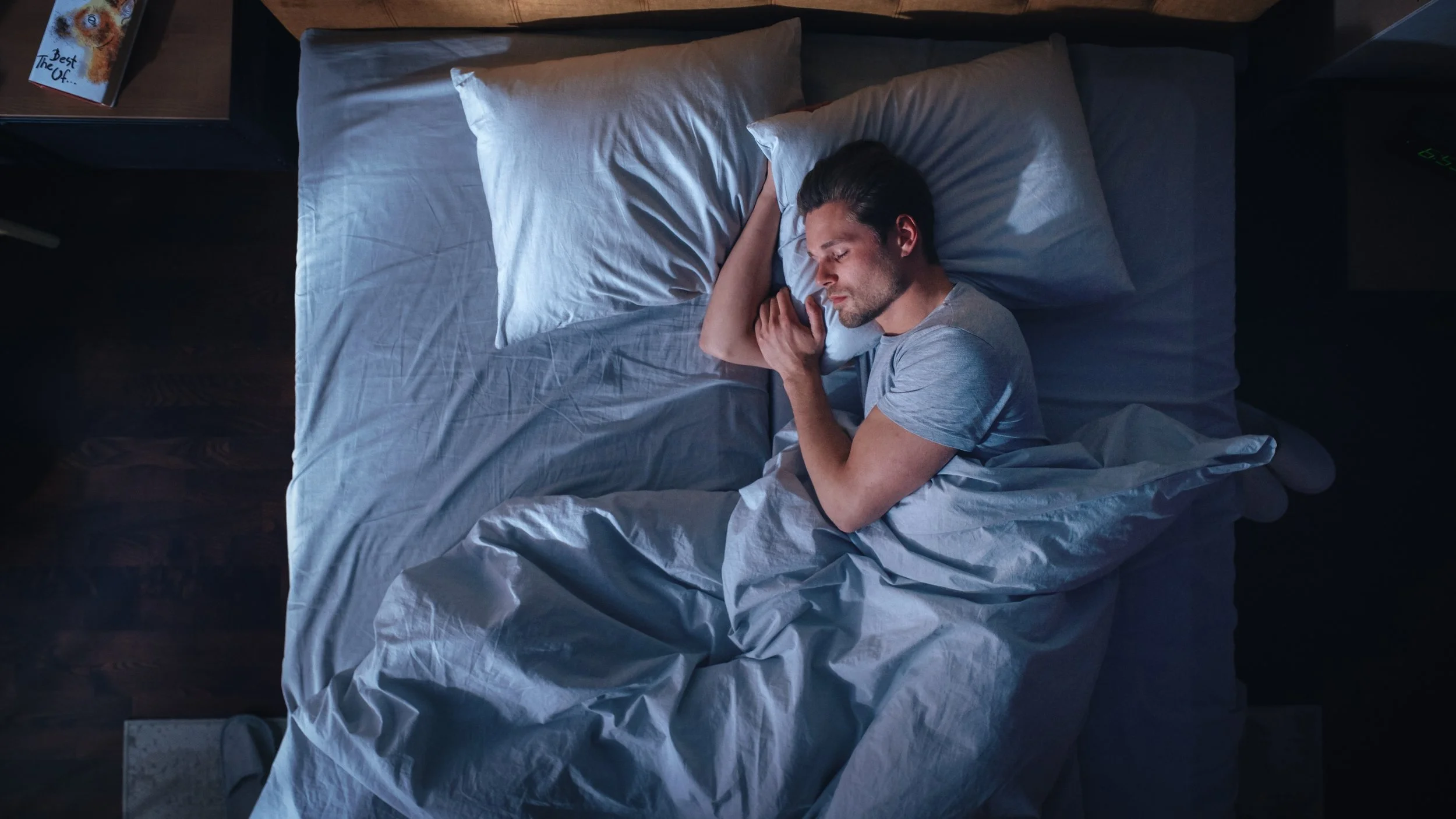
If your symptoms do not improve after receiving a sleep apnea diagnosis or starting treatment, your initial evaluation may be incomplete or inaccurate. Effective treatment should lead to a noticeable increase in daytime energy, reduced snoring, and better overall health. When these results are missing, it suggests that the underlying cause of your sleep disturbance has not been fully addressed. Levätä Sleep specializes in reviewing these cases to ensure patients find the relief they deserve through proper oral appliance therapy.
Signs Your Sleep Apnea Diagnosis May Be Inaccurate
Persistent Symptoms Despite Treatment
Continuing to struggle with daytime fatigue, morning headaches, or brain fog indicates that your current therapy is not managing your airway effectively.
CPAP Therapy Does Not Help
If CPAP feels wrong and you aren’t noticing an overall increase in your energy levels, the pressure settings might be incorrect, or the diagnosis may have missed specific structural issues in your airway.
Symptoms Do Not Match Your Diagnosis
Experiencing severe, life-altering exhaustion while being told you only have a mild sleep apnea diagnosis is a major red flag. Every patient is unique, and a clinical report should reflect your actual level of impairment.
Why Sleep Apnea Diagnoses Can Be Incorrect
Outdated data, incomplete evaluations, or improper equipment calibration often lead to inaccurate sleep apnea results. Your health is dynamic, and a snapshot from years ago may no longer be relevant. The number of airway obstructions, or partial obstructions, you have can also be impacted by what you did that day, for example: how much physical activity you had, did you sleep well the night before, did you consume alcohol. These can all alter the number of breathing events you have from night to night. Sometimes more than one night of study is required to get an accurate picture of your sleep.
Outdated or Limited Data
Older sleep studies may not reflect your current weight, age, or muscle tone. Physical changes over time can significantly alter the severity of an obstruction.
Incorrect CPAP Titration
If your machine was calibrated using faulty data, the pressure may be too low to clear the blockage or too high to remain comfortable, masking the true nature of your disorder.
Changes in Health or Lifestyle
New medical conditions, such as Afib or high blood pressure, can both cause and be caused by sleep apnea, requiring a more nuanced evaluation of your sleep health.
Get a More Accurate Sleep Apnea Evaluation
If your diagnosis does not feel right, it is worth a second look from experts who focus on personalized comfort. Levätä Sleep will help you transition from ineffective treatments to comfortable, custom-fitted oral appliances. We focus on long-term health outcomes and ensuring your therapy actually works for your lifestyle. Schedule a free consultation with Levätä Sleep today to find a solution that helps you finally wake up refreshed.
Image credit: // Shutterstock // Gorodenkoff