Sleep Apnea in Women vs Men: Signs That Often Get Missed
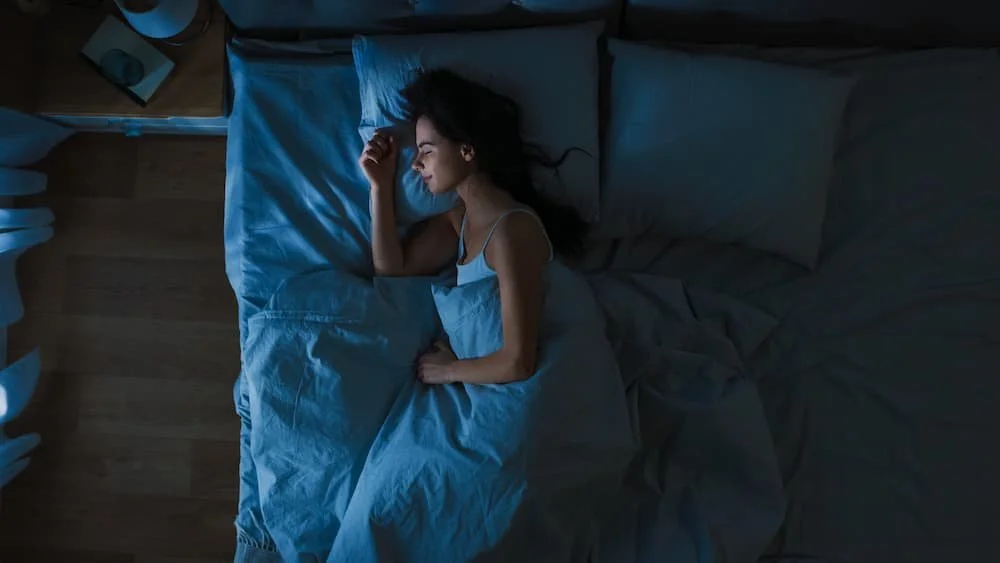
The assumption that sleep apnea is a condition that doesn’t affect women often delays critical diagnosis and treatment. While the underlying issue of interrupted breathing remains the same, the way the body signals the problem can differ significantly between genders. Levätä Sleep is dedicated to helping patients recognize early signs of sleep apnea to ensure accurate testing and personalized care.
How Sleep Apnea Symptoms Differ in Men and Women
The classic image of a sleep apnea patient often involves loud snoring and gasping, but sleep apnea in women frequently presents with more subtle, systemic symptoms that are easy to overlook.
Common Signs Often Seen in Men
In men, the symptoms tend to be more overt and observational. These include:
Loud, chronic snoring that disturbs partners.
Observable pauses in breathing during the night.
Gasping or choking sounds that wake the sleeper.
Excessive daytime sleepiness during work or driving.
Because these signs are so visible, men are often referred for sleep evaluations more quickly by their spouses or physicians.
Often-Overlooked Symptoms in Women
Women often experience atypical symptoms that do not always include loud snoring. Instead, they may report:
Persistent fatigue despite spending enough time in bed.
Mood changes, including increased anxiety or depression.
Insomnia or significant difficulty staying asleep throughout the night.
Frequent morning headaches and "brain fog."
Women often describe feeling exhausted yet wired, a combination that frequently leads to a misdiagnosis of stress or primary insomnia.
Risk Factors, Hormones & Why Misdiagnosis Happens
Understanding why sleep apnea is missed in women requires looking at both biological and lifestyle factors. While shared risks like excess weight, smoking, and high blood pressure exist, gender-specific triggers play a major role.
Gender-Specific Considerations
Hormonal shifts during pregnancy or menopause can significantly increase the risk of developing sleep apnea. Conditions like Polycystic Ovary Syndrome (PCOS) and naturally smaller airway structures also contribute to the condition. Because many women do not fit the classic profile of a loud snorer, their symptoms are sometimes attributed to aging or mental health concerns rather than a structural breathing issue.
When to Seek Testing and How Levätä Sleep Can Help
Early intervention is the key to preventing long-term health consequences like hypertension or heart issues. If you experience ongoing fatigue that affects your daily life, mood changes without a clear cause, or consistently wake up feeling unrefreshed, it is time for a professional evaluation.
Levätä Sleep provides customized treatment plans, such as oral appliance therapy, designed for long-term success. We focus on identifying the root cause of your sleep struggles and tailoring a solution to your specific needs.
Schedule a free consultation today to take control of your health and regain your energy.
Image credit: // Shutterstock // Gorodenkoff