Oral Devices vs CPAP: Which One Is Better for Mild to Moderate Sleep Apnea?
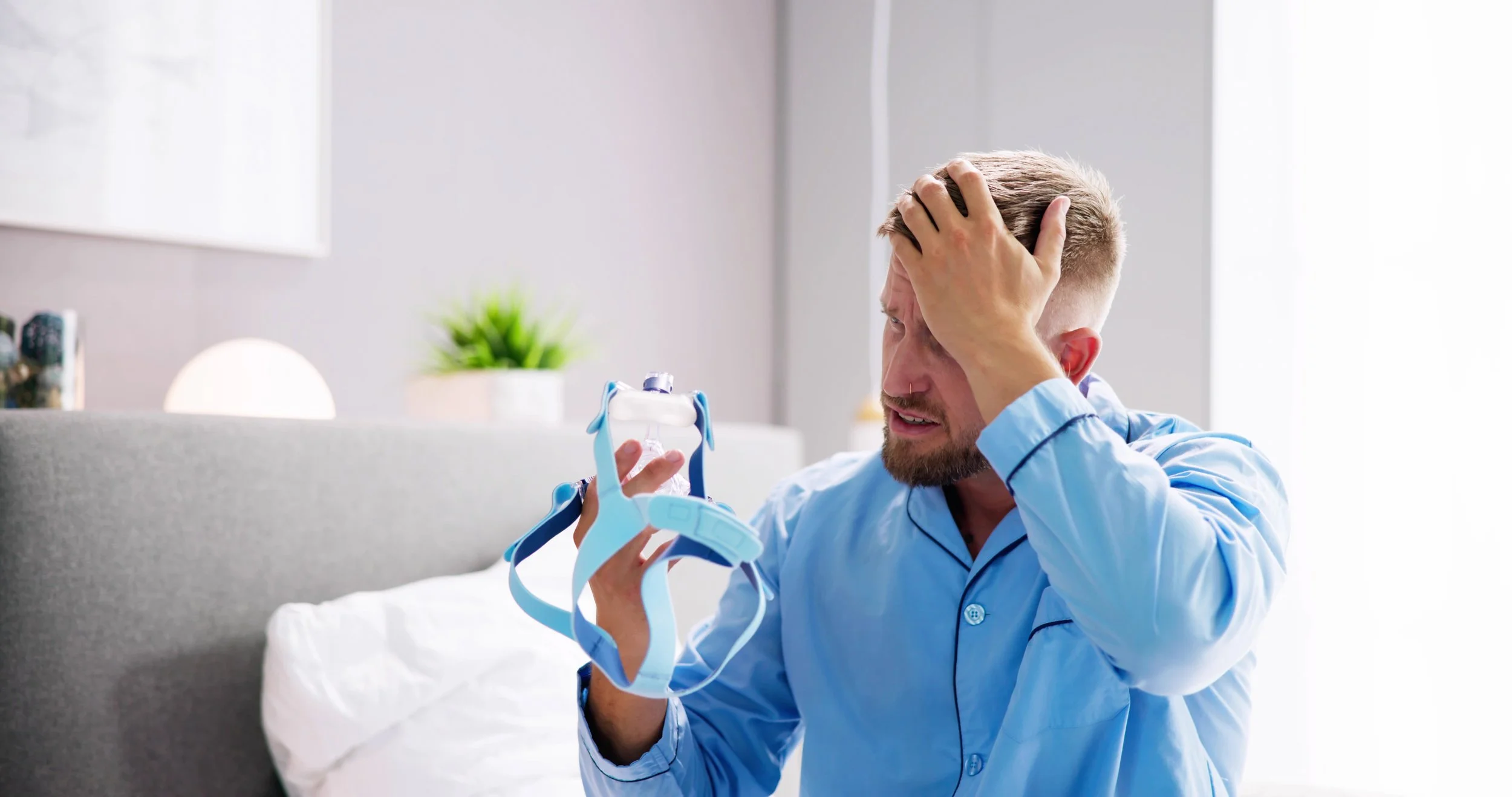
When searching for CPAP alternatives, many people want to know whether an oral device can effectively treat mild to moderate sleep apnea. The answer depends on your diagnosis, airway needs, comfort level, and ability to use treatment consistently.
How CPAP Works
CPAP therapy uses steady air pressure delivered through a mask to help keep the airway open during sleep. It is one of the most common treatments for obstructive sleep apnea and can be highly effective when used every night. However, some patients struggle with the mask, hose, air pressure, dry mouth, noise, or travel setup.
How Oral Devices Work
Oral devices, also called mandibular advancement devices, are custom-fit appliances worn in the mouth while you sleep. Instead of using air pressure, the device gently positions the lower jaw forward to help keep the airway more open. For many patients, this feels simpler than sleeping with a machine because the appliance is quiet, portable, and does not require a mask or electricity.
Who May Be a Good Candidate?
Oral device therapy is often considered for adults with mild to moderate obstructive sleep apnea, especially those who cannot tolerate CPAP or prefer another treatment option. A proper consultation is important because the appliance needs to fit your mouth, jaw, and treatment goals. A custom, adjustable appliance is different from an over-the-counter snoring guard and should be monitored for comfort and effectiveness.
Choosing the Right Option
CPAP may provide stronger breathing support for some patients, while oral devices may be easier to use consistently for others. The best treatment is the one that addresses your sleep apnea and fits your daily life.
For patients in Marquette and across the Upper Peninsula, Levätä Sleep can help you explore whether oral device therapy is the right fit for you. To learn more or schedule a free consultation, contact us.
Image credit: // Shutterstock // Andrey_Popov