Why You Snore: Common Causes and Proven Solutions
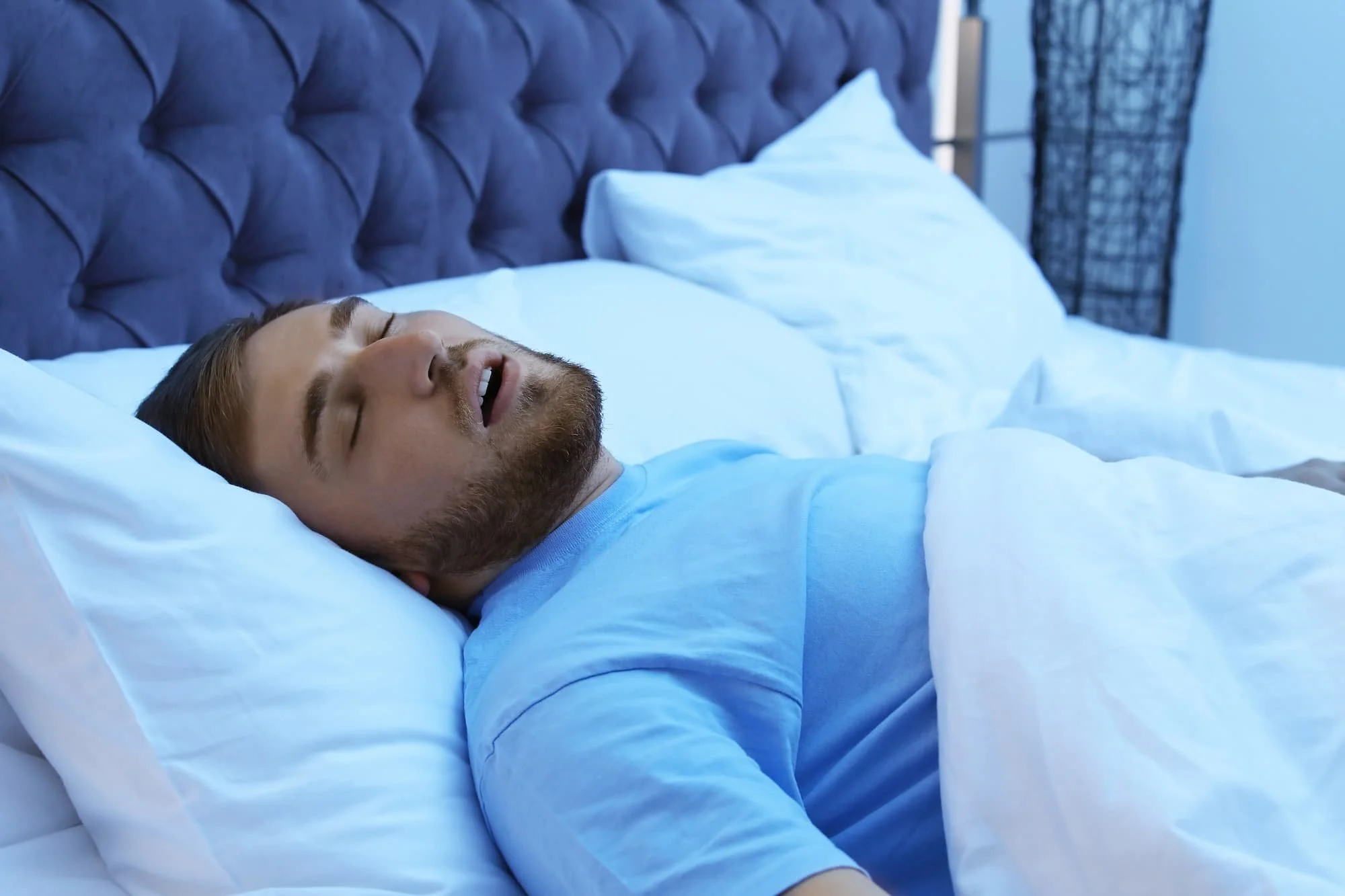
Snoring happens when airflow is partly blocked during sleep, causing soft tissues in the throat to vibrate. For some people, it is occasional and tied to things like congestion, sleep position, or alcohol use before bed. For others, snoring is frequent, loud, and disruptive enough to affect the sleep quality of both the snorer and their partner.
Common Reasons People Snore
Many factors can make snoring worse. Sleeping on your back may allow the tongue and soft tissues to relax toward the airway. Nasal congestion, allergies, weight changes, and certain airway shapes can also contribute. Even temporary issues, like a cold or sinus irritation, can make snoring more noticeable.
When Snoring May Be More Than Snoring
Simple snoring does not always mean there is a serious problem, but chronic snoring should be taken seriously when accompanied by other symptoms. Gasping during sleep, pauses in breathing, morning headaches, brain fog, dry mouth, and daytime fatigue may point to obstructive sleep apnea.
Proven Solutions for Snoring
Some people improve snoring by sleeping on their side, reducing alcohol before bed, addressing nasal congestion, or making healthy lifestyle changes. When snoring is related to airway restriction, a custom oral device therapy plan may help by supporting the jaw in a position that encourages better airflow.
Patients who struggle with traditional treatment may also want to learn about CPAP alternatives. The right solution depends on the cause of the snoring and the patient’s overall sleep health.
If snoring is affecting your rest or could be connected to sleep apnea symptoms, Levätä Sleep can help you take the next step. Contact us to schedule a free consultation and learn more about your options.
Image Credit: New Africa / Shutterstock